UK Remote Gaming Duty Set to Rise to 40 Percent from April 2026 Affecting Online Casino Games
Written by Ben Braun · Oct 27, 2026

UK Remote Gaming Duty Set to Rise to 40 Percent from April 2026 Affecting Online Casino Games
Operators in the UK online gambling sector face a significant tax adjustment as the government raises Remote Gaming Duty from 21 percent to 40 percent effective 1 April 2026, and this change applies directly to casino games including slots while creating ripple effects across player returns and business costs.
Details of the Duty Increase and Its Scope
The new rate covers remote gaming activities and hits providers of online casino products particularly hard since slots form a core revenue driver for many firms, and data from industry reports show that operators must now recalculate margins to absorb or pass on the doubled tax burden.
Those who have studied gambling tax structures note that the hike targets remote platforms specifically, whereas land-based venues operate under separate duty regimes, and this distinction leaves digital casinos preparing for adjustments that could influence everything from game design to promotional spending.
Potential Shifts in Player Returns and Operator Strategies
Experts have observed that headline RTP figures might see revisions under the higher duty, yet many operators plan to address the cost increase first through bonus structures and promotional offers before touching base return percentages, and this approach aligns with existing transparency obligations outlined in Remote technical standards (RTS 3).
Figures reveal that bonus reductions or tighter wagering requirements could emerge as initial responses since these areas offer more flexibility than fixed RTP settings, and players may notice fewer free spin packages or altered loyalty rewards as companies protect their bottom lines.
Industry Responses Including Workforce Adjustments
Companies such as Flutter Entertainment and Paddy Power have already signaled workforce reductions totaling around 1,400 positions across UK and Ireland operations, and these moves come as firms brace for the April 2026 implementation while managing current profitability pressures.
Observers note that such cuts often target support and marketing teams first because those departments handle the bonus and promotional elements that operators intend to scale back, and this pattern allows businesses to lower overhead without immediate changes to core game mathematics.
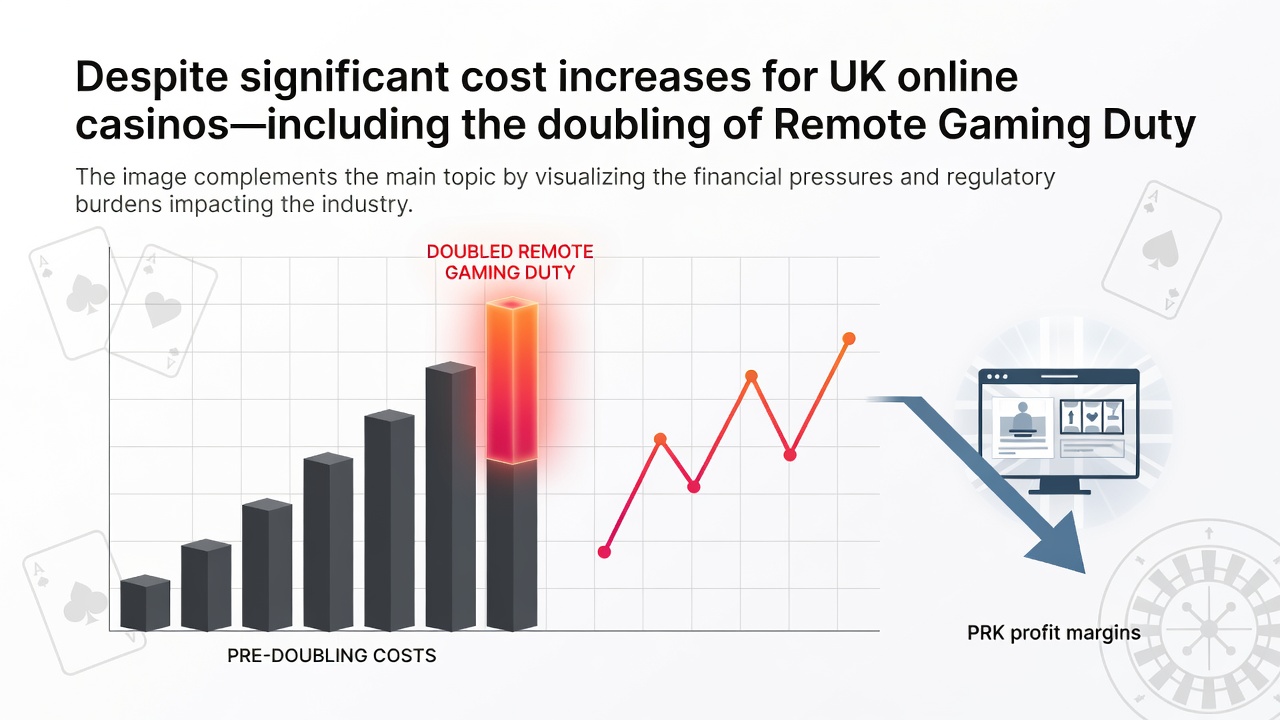
One study of similar tax increases in other jurisdictions showed that operators typically prioritize non-RTP levers before altering published return rates, and UK firms appear to follow the same path given the clarity provided by current regulatory guidance on Policy paper on gambling duties.
Transparency Requirements and Player Protections
Existing rules require clear disclosure of RTP and bonus terms, so any adjustments must remain visible to users through standard game information panels, and regulators continue to monitor compliance to prevent misleading practices during the transition period leading into 2026.
By October 2026 the duty will have been active for six months, giving analysts concrete data on whether operators maintained RTP levels or shifted costs elsewhere, and early indicators point toward bonus modifications as the preferred route based on announcements from major groups.
Conclusion
The Remote Gaming Duty increase represents a defined policy shift with measurable consequences for online casino operators and their product offerings, and industry participants continue to evaluate responses that balance regulatory compliance with financial viability while keeping player-facing elements under review.