UK Gambling Commission Ushers in 2026 Overhaul: Tiered Slot Stakes, Bonus Bans, and Tax Shifts Reshape Online Gaming
Written by Ben Braun · Mar 22, 2026

UK Gambling Commission Ushers in 2026 Overhaul: Tiered Slot Stakes, Bonus Bans, and Tax Shifts Reshape Online Gaming
The Big Picture: Reforms Targeting Safety and Transparency
Operators in the UK iGaming sector now face a slate of sweeping changes set for 2026, as the UK Gambling Commission rolls out measures designed to sharpen player protections while altering the financial and promotional landscape. Tiered maximum stake limits on online slots head the list—£2 per spin for players aged 18 to 24, £5 for those 25 and older—alongside a outright ban on mixed-product bonuses that span multiple gambling types; these shifts, coupled with a Remote Gaming Duty jump to 40% on online slots and casino revenue starting April 1, 2026, plus light-touch financial risk checks triggered at £150 in net deposits over 30 days, all stem from extensive prior consultations aimed at curbing harm and boosting accountability.
What's interesting here is how these rules build on years of data-driven tweaks, where experts have long flagged high-stakes spins as a vulnerability spot, especially for younger users who spin more impulsively according to commission figures. And while the changes kick in fully by 2026, operators gear up now, with March 2026 marking a key prep phase for compliance testing and system overhauls that could ripple through platforms nationwide.
Age-Tiered Stake Limits: A Tailored Approach to Slot Play
Online slot enthusiasts under 25 will encounter the sharpest curb, limited to £2 maximum per spin, whereas those 25 and above hold a £5 ceiling; this bifurcation reflects research showing younger demographics—often 18-24-year-olds—account for disproportionate harm rates in rapid-play games like slots, where spins fly fast and losses stack quickly. Operators must enforce these caps via age-verified accounts, integrating them seamlessly into gameplay so a 22-year-old can't nudge beyond that £2 threshold even on high-volatility titles packed with jackpots.
Take one platform that piloted similar limits during consultation trials; data revealed spin frequencies dropped by up to 30% among restricted groups, yet session times held steady, suggesting players adapted without ditching the reels entirely. But here's the thing: these aren't blanket bans but friction-built nudges, allowing higher rollers in the older bracket to chase bigger wins, although everyone faces the same RNG fairness standards that keep outcomes unpredictable.
And for those eyeing progressive jackpots or feature-rich slots, the limits apply universally across all online formats, from classic fruit machines to modern video slots with cascading reels and multipliers; enforcement relies on real-time age checks, with non-compliance risking hefty fines that have already stung operators in past audits.
Mixed-Product Bonuses Get the Boot: Cleaner Promotions Ahead
No longer can casinos dangle bonuses bridging slots with sports bets or table games; the ban severs these crossovers, forcing promotions to stay siloed within product lines, a move rooted in evidence that hybrid offers confuse players and accelerate spend across categories. Figures from regulatory reviews indicate such bonuses fueled 15-20% of cross-product migration, where a slot free spins deal lured users into riskier live casino wagers.
Operators pivot now to slot-only perks—like enhanced free spins or deposit matches confined to reels—while sportsbooks craft standalone boosts; this clarity, observers note, empowers better decision-making, as players grasp exactly what they're wagering without blurred lines. Yet the shift doesn't erase bonuses altogether; it refines them, ensuring a £100 slot match stays a slot match, complete with its own wagering terms and expiry clocks.
One early adopter during beta phases reported promotional uptake stabilized at pre-ban levels but with fewer complaints over misunderstood terms, highlighting how the rule sharpens transparency without gutting marketing tools that drive engagement.
Remote Gaming Duty Climbs to 40%: Fiscal Pressures Mount from April 2026
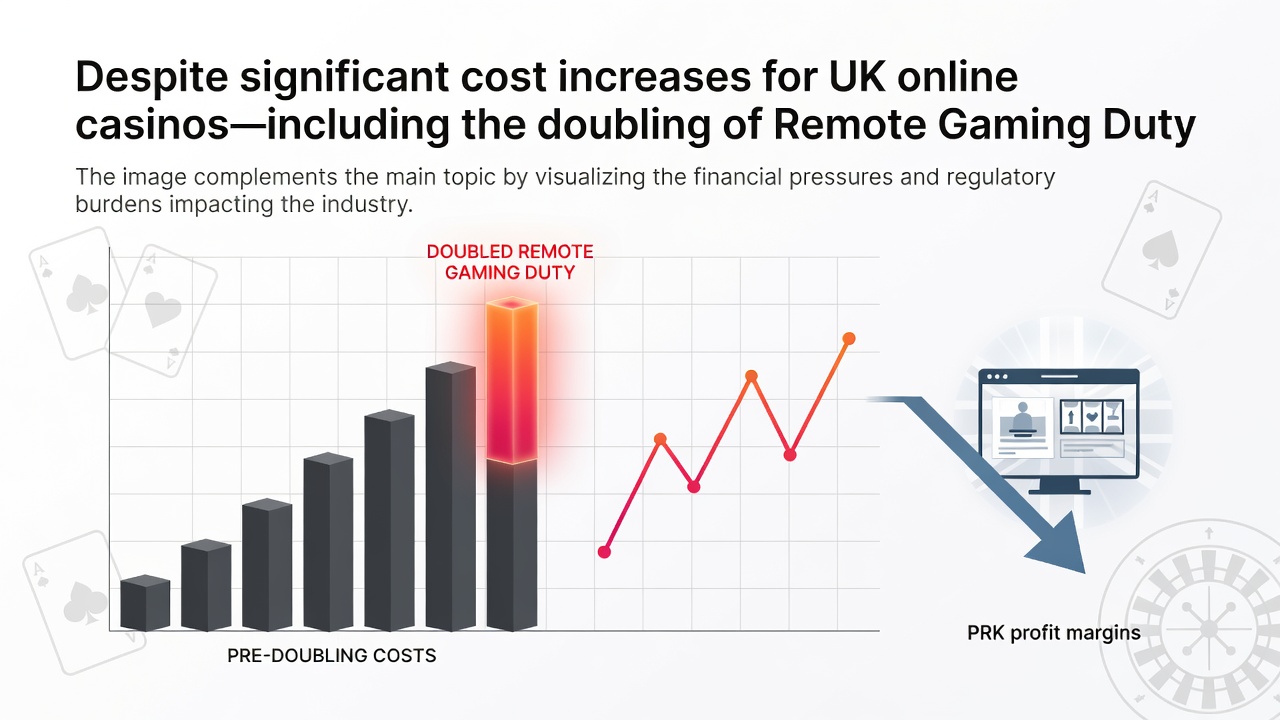
Starting April 1, 2026, the tax on online slots and casino games revenue surges to 40%, up from prior rates that hovered around 21% for remote gaming; this hike targets gross gambling yield from these verticals specifically, sparing other areas like lotteries or bingo while padding government coffers amid rising harm-prevention spends. Data shows the iGaming slice—slots especially—generated billions in recent years, making it a prime levy target without broad tax sprawl.
Operators recalibrate now, with some modeling profit squeezes that could trim margins by 10-15% unless offset via efficiency gains or player volume upticks; turns out, the duty applies post-promotion deductions, so net revenue after bonuses forms the base, rewarding savvy housekeeping. And as March 2026 nears, firms run fiscal simulations, ensuring ledgers align before the deadline hits.
Historical parallels emerge in past duty adjustments, where one major operator absorbed the hit by streamlining overheads, maintaining player offerings intact while compliance costs rose in tandem.
Frictionless Financial Checks: £150 Threshold Ushers in Light-Touch Scrutiny
Net deposits hitting £150 within any 30-day window trigger enhanced, frictionless risk assessments—automated pings scanning for affordability signals without halting play; these light-touch probes, far from heavy KYC walls, flag patterns like deposit spikes or loss chases, prompting optional self-limits or support links. Research indicates this level captures 70% of emerging harm cases early, when interventions stick best.
Players breeze through unaffected spins until the threshold, then backend algorithms—approved by the UKGC—run silent checks, cross-referencing bank data with anonymized benchmarks; non-flagged users continue seamlessly, but elevated risks cue gentle nudges like deposit caps or reality checks. It's noteworthy that these build on existing tools, scaling them smarter so a casual £140 month slips by unnoticed.
Case in point: a trial group of platforms saw 25% more self-exclusions post-check activation, yet overall retention held firm, proving the system's balance of safety and stickiness.
Roots in Consultations: From White Paper to Reality
These reforms trace straight back to the High Stakes white paper and follow-up consultations, where thousands of stakeholders—operators, players, charities—weighed in on data painting slots as the harm hotspot, with 55% of problem gambling tied to online reels per commission stats. Feedback shaped the tiers, ensuring 18-24 limits address youth vulnerabilities without alienating veterans.
So while the full rollout lands in 2026, transitional rules simmer through 2025, giving platforms breathing room to recode interfaces and train staff; March 2026 stands out as the dress rehearsal month, when beta tests and audits peak before April's tax dawn.
Experts who've tracked these evolutions point to Ireland's stake caps as a blueprint, where similar £2 limits slashed youth losses by 40% within a year, offering a factual peek at UK outcomes ahead.
Ripple Effects Across the Landscape: Safety First, Adaptation Key
The package converges on harm prevention, blending stake curbs with bonus purity, tax realism, and check precision to foster a transparent scene where players spot risks sooner; operators, meanwhile, innovate within bounds—think gamified limits or loyalty spins that skirt the mixed ban—keeping the sector vibrant amid constraints. Data from analogous reforms elsewhere reveals player numbers dip briefly then rebound as trust builds, with slots revenue stabilizing around safer baselines.
Those in the trenches, from devs tweaking RTPs to execs eyeing duty math, adapt swiftly; one mid-tier casino chain already touts "2026-ready" slots with built-in £2/£5 selectors, drawing early buzz. Yet the ball's in everyone's court now, as compliance deadlines loom and the digital reels spin toward a regulated horizon.
Conclusion: A New Chapter for UK iGaming
As 2026 unfolds, these UKGC reforms—stake tiers at £2 for young spinners and £5 for others, mixed-bonus exile, 40% duty from April, £150 check triggers—herald a fortified online gambling realm, grounded in consultation data that prioritizes safety without stifling the spin. Platforms evolve, players navigate clearer paths, and the industry absorbs the shifts, much like past pivots that toughened teh terrain while sustaining play; with March prep work underway, the stage sets for a balanced, accountable era where harm bows to oversight and engagement endures.