Synchronized Casino Rewards: Mobile Access Driving Progression from Starter Spins to Cross-Game Jackpot Prizes
Written by Zoe Vogel · Aug 24, 2026
Synchronized Casino Rewards: Mobile Access Driving Progression from Starter Spins to Cross-Game Jackpot Prizes
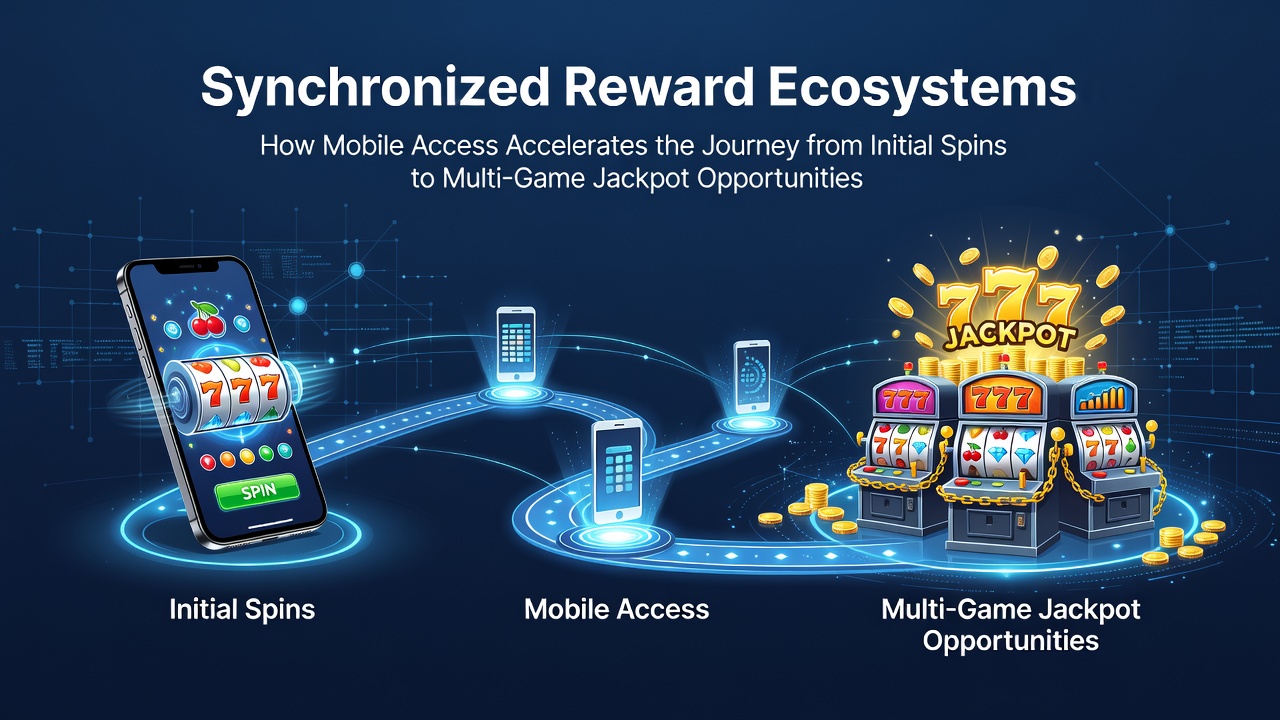
Integrated reward systems in online casinos now link initial slot spins directly to broader jackpot pathways through mobile platforms, and data from multiple jurisdictions shows this connectivity speeds up access to cross-game prize pools. Mobile applications track player activity across titles in real time, which allows bonus credits earned on one game to transfer seamlessly into eligibility for progressive jackpots on others, while regulatory reports indicate higher engagement rates among users who start sessions via smartphones or tablets.
Core Elements of Reward Synchronization
Operators build these ecosystems by combining player profiles with algorithmic matching that recognizes patterns in spin frequency, wager size, and game selection, and this setup creates unified reward ledgers that update instantly when a user switches from one title to another. Studies released in August 2026 from regional gaming authorities documented how such synchronization reduces the steps between a first deposit and multi-game jackpot entry, with figures revealing average progression times dropping by measurable margins compared to earlier desktop-only models.
Payment integrations play a central role because instant deposit confirmations on mobile devices trigger immediate bonus allocations that feed into the shared system, whereas slower methods delay the accumulation of qualifying points. Industry reports from Ontario's iGaming regulator highlight that players utilizing mobile wallets complete the transition from starter spins to jackpot eligibility in fewer sessions than those relying on traditional transfers.
Path from Early Spins to Broader Opportunities
Users typically begin with low-stake spins on popular slot themes, and the synchronized framework records each outcome to build toward tiered rewards that unlock live dealer access or shared progressive pools. Observers note that mobile interfaces display progress bars and cross-game notifications that keep players informed of accumulating opportunities, which encourages continued participation without requiring separate logins or manual transfers.
One documented case involved a series of free spin redemptions on a single title that automatically contributed to a multi-game jackpot pool, and researchers at academic institutions studying digital gambling behavior found this automation increased the frequency of jackpot triggers across participating platforms. Mobile push alerts further accelerate the process by reminding users of nearing milestones, while data logs show these reminders correlate with quicker advancement to higher prize tiers.
Cross-Game Mechanics and Player Tracking
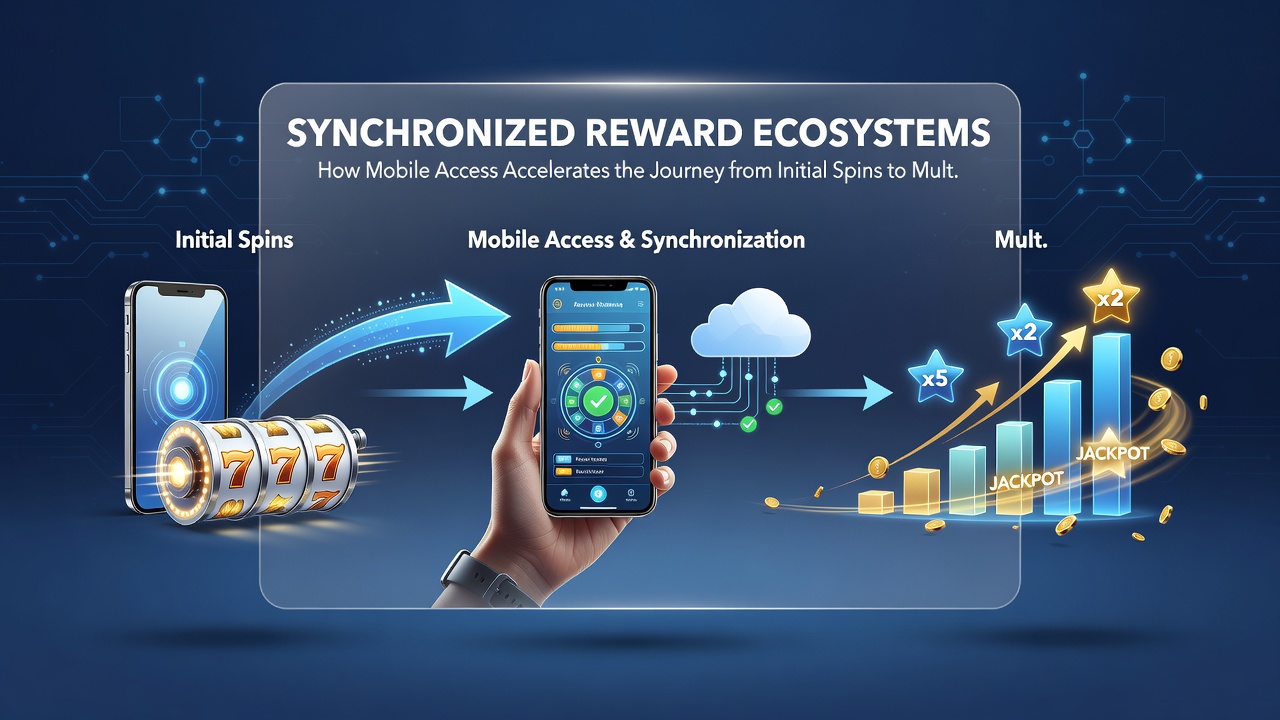
Advanced tracking software monitors activity across slot categories, table games, and progressive networks simultaneously, which allows rewards earned in one segment to apply toward jackpot qualification in another. This integration relies on centralized databases that update every few seconds during active sessions, and reports from the New Jersey Division of Gaming Enforcement indicate that mobile users experience fewer interruptions when moving between game types because verification processes occur in the background.
Promotional structures support the flow by converting standard bonuses into universal credits that count toward multiple jackpot categories at once, and those who study these systems note that the design minimizes friction between initial engagement and larger prize pursuits. Real-time analytics also adjust reward multipliers based on overall platform activity, creating dynamic pathways that respond to collective player behavior rather than isolated sessions.
Technical Infrastructure Supporting Acceleration
Cloud-based servers handle the synchronization load, which enables consistent performance even during peak hours when thousands of mobile devices connect simultaneously. Encryption protocols protect transaction and reward data throughout the process, while compatibility standards ensure that updates to one game title propagate across the ecosystem without delay. Figures from industry associations show that platforms with robust mobile synchronization report higher retention rates among users who progress from entry-level spins to multi-game opportunities.
Device sensors and location services add another layer by tailoring available jackpots to regional regulations, and this personalization speeds up eligibility verification because the system pre-filters options before the user even starts spinning. Observers tracking these developments point to reduced error rates in reward allocation as a direct outcome of mobile-first architecture.
Conclusion
Synchronized reward ecosystems continue to evolve through mobile technology that connects starter spins with multi-game jackpot access, and ongoing data collection from varied regulatory bodies demonstrates measurable improvements in progression speed. These systems rely on integrated tracking, instant payments, and cross-title compatibility to maintain continuous player movement through reward stages.