Random Number Generator Reforms Reshape Gaming Metrics Worldwide
Written by Zoe Vogel · Aug 24, 2026
Random Number Generator Reforms Reshape Gaming Metrics Worldwide
Regulatory bodies across multiple regions have introduced tighter specifications for random number generators in gaming software throughout 2025 and into 2026, with several mandates scheduled to take full effect by August 2026. These changes focus on enhanced testing protocols, cryptographic verification standards, and real-time auditing requirements that operators must integrate into their platforms. Data from various jurisdictions shows corresponding shifts in player engagement metrics, including session duration, spin frequency, and return-to-play rates.
Updated Standards Emerge Across Jurisdictions
Authorities in Nevada, New Jersey, and several European markets have aligned on core requirements for RNG certification that emphasize continuous monitoring rather than periodic checks alone. The Nevada Gaming Control Board, for instance, now requires third-party labs to validate entropy sources every quarter, while New Jersey's Division of Gaming Enforcement has mandated integration of blockchain-based logging for outcome verification. These protocols replace earlier frameworks that allowed annual audits in many cases, and operators report allocating additional resources to meet the new timelines.
Researchers at institutions such as the University of Nevada, Reno have documented how these updates influence software architecture, particularly in slot titles where RNG algorithms determine reel outcomes and bonus triggers. Studies indicate that games built on older pseudo-random systems often require substantial rewrites to comply, which in turn affects payout distribution curves that players encounter during sessions.
Engagement Metrics Reflect Software Adjustments
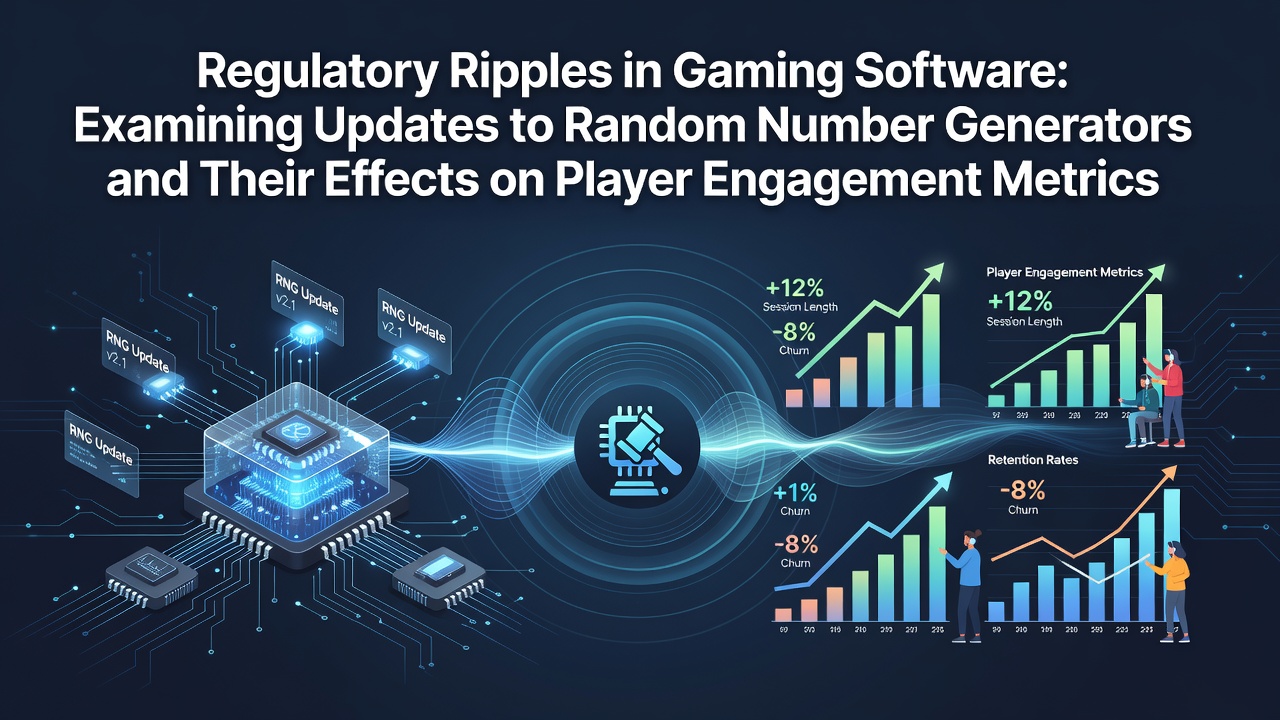
Industry reports compiled through 2025 reveal measurable changes in player behavior following RNG updates. Average session lengths in certain markets declined by 8 to 12 percent during initial rollout phases, while spin-per-session counts increased slightly as systems recalibrated volatility settings to maintain certified fairness thresholds. Observers note that these patterns emerged consistently across both land-based and online environments where the same software updates were deployed.
What's interesting is how return-to-play rates responded in the months after certification deadlines. Data compiled by the European Gaming and Betting Association shows a modest uptick in repeat visits once players adapted to the revised game mathematics, though the association's analysis stops short of attributing causation solely to RNG changes. Instead, the figures point to combined effects from software stability improvements and player familiarity with new outcome patterns.
Implementation Timelines and Operator Responses
Operators began phased deployments of updated RNG modules in early 2025, with full compliance deadlines clustered around August 2026 for several international markets. Companies that delayed integration encountered bottlenecks in lab testing queues, prompting some to prioritize high-volume titles first. Those who've studied the rollout timelines observe that smaller studios often partnered with established certification providers to accelerate the process, while larger groups handled validation in-house where possible.

Platform analytics from multiple sources indicate that games passing the newest certification rounds displayed tighter clustering around theoretical return-to-player percentages during live play. This alignment reduced instances of perceived deviation that some players had flagged in earlier versions, though aggregate engagement data does not yet confirm whether such precision translates into sustained session growth over longer periods.
Cross-Regional Comparisons Highlight Varied Outcomes
Markets that adopted similar RNG standards at different times provide useful contrast. Australian regulators, through the Northern Territory Racing Commission, introduced parallel requirements in late 2024 and recorded steadier engagement curves compared with regions that implemented changes more abruptly. Canadian provincial authorities in Ontario followed a comparable path, publishing quarterly metrics that link updated RNG frameworks to incremental rises in game completion rates without corresponding drops in wager volumes.
Those who've examined the datasets across borders note that cultural and market maturity factors often mediate the scale of shifts. Mature markets with established player bases tended to absorb the transitions with smaller fluctuations in daily active users, whereas emerging regions showed wider variance during the first two quarters post-update.
Conclusion
Regulatory refinements to random number generator specifications continue to propagate through gaming software ecosystems, with August 2026 marking a key compliance horizon for multiple jurisdictions. Available figures from regulatory filings and industry associations document corresponding movements in engagement metrics, though the precise mechanisms driving those movements remain under ongoing analysis by researchers and operators alike. Continued monitoring through 2027 will clarify whether the patterns observed so far represent temporary adjustments or longer-term trends tied to the new technical standards.