Payment Velocity and Layered Reward Systems in Modern Digital Casino Platforms
Written by Zoe Vogel · Jul 13, 2026
Payment Velocity and Layered Reward Systems in Modern Digital Casino Platforms
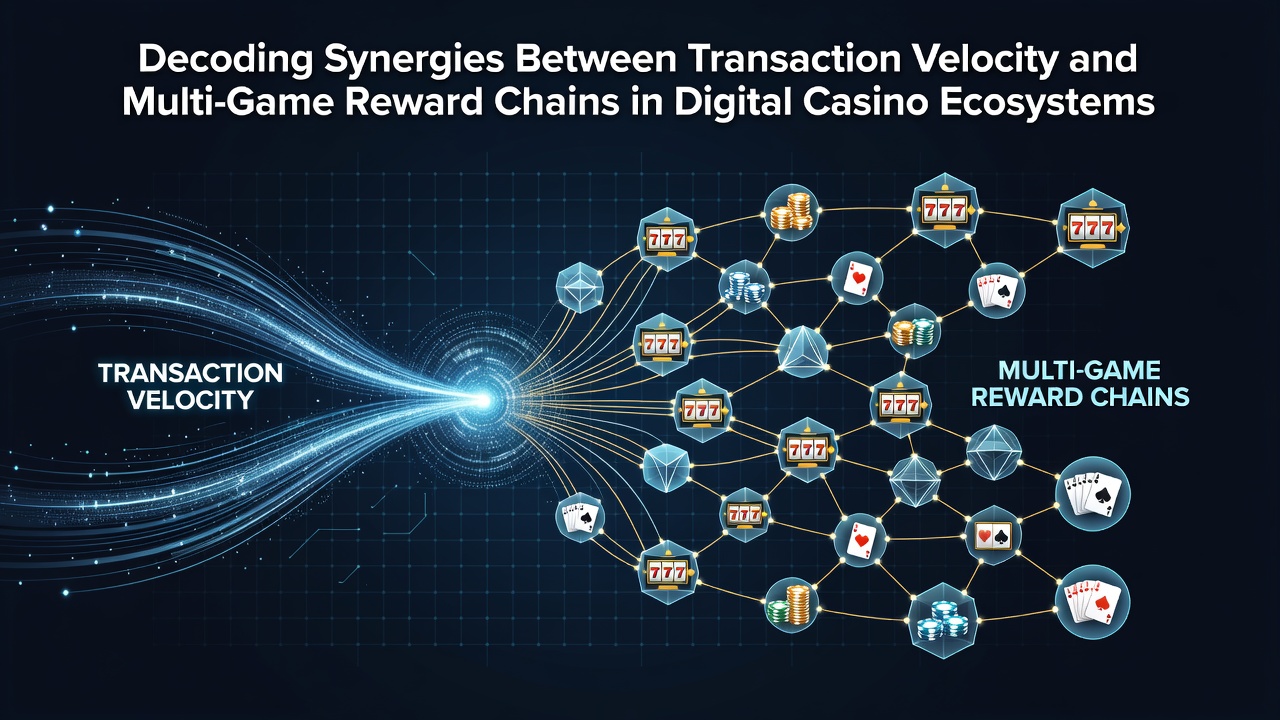
Transaction velocity refers to the speed at which deposits and withdrawals move through digital casino payment systems while multi-game reward chains describe the interconnected bonus structures that link activity across slots, table games, and live dealer environments to unlock escalating player benefits. Data from industry monitoring in early 2026 shows these elements interact in measurable ways that influence player progression through loyalty tiers and access to promotional offers. Observers note that faster transaction processing often aligns with quicker accumulation of reward points across game categories and this pattern appears consistently in platform analytics reports.
Defining Transaction Velocity in Casino Operations
Payment systems in digital casinos handle deposits through e-wallets, bank transfers, and card networks where processing times range from instant confirmations to delays of several minutes depending on the method selected. Research from the Nevada Gaming Control Board indicates that platforms optimizing these pathways report higher volumes of completed sessions per user because reduced wait times allow immediate engagement with games that contribute to reward tracking. Those who've studied payment flows find that velocity metrics correlate directly with the rate at which players meet thresholds for bonus activation and this holds true across different regulatory jurisdictions.
Multi-Game Reward Chains Explained
Reward chains function as progressive systems where activity in one game type such as video slots feeds into eligibility for bonuses usable on live roulette or poker tables and these connections extend further to VIP status requirements. Figures from the Malta Gaming Authority reveal that operators implementing cross-game tracking see increased retention rates because players pursue layered incentives rather than isolated promotions. What's interesting is how these chains operate through unified point systems that convert spins, bets, and wins into redeemable credits applicable across the platform catalog.
Observed Synergies Between Speed and Rewards
When transaction processing accelerates the time between deposit confirmation and game participation shortens which in turn speeds up the collection of points needed for reward milestones. A University of Nevada Las Vegas study released in July 2026 examined several major platforms and found that users completing deposits in under 30 seconds advanced through reward tiers 18 percent faster than those experiencing longer waits. This synergy emerges because immediate access lets players chain game sessions without interruption while the reward algorithms continue logging contributions in real time. Platforms that integrate instant payment gateways with unified reward dashboards therefore demonstrate tighter coupling between velocity and chain progression according to the same research.
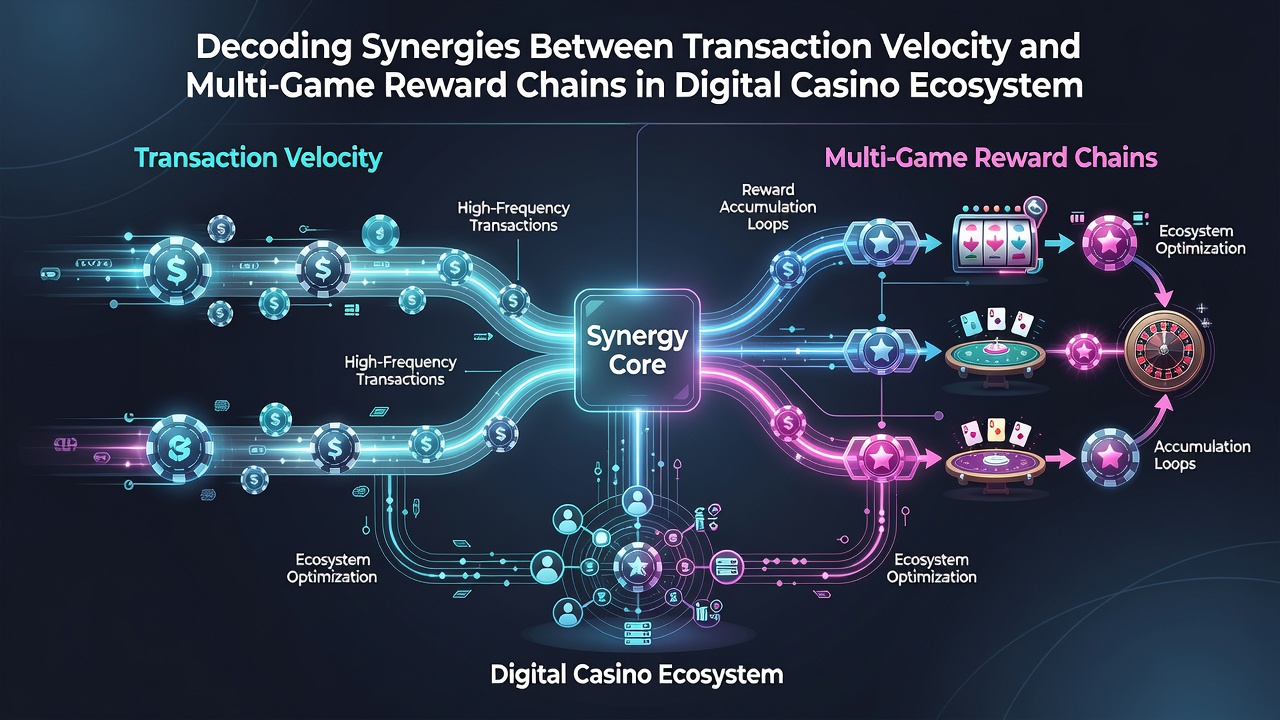
One case examined by analysts involved an operator that introduced frictionless e-wallet options alongside multi-game bonus bridges and subsequent data showed a measurable uptick in players moving from slot activity to live dealer tables within single sessions. The ball was in the operator's court to maintain system uptime because any slowdown in transaction velocity risked breaking the momentum built through the reward chains. Experts tracking these developments note that the effect compounds when promotions explicitly reward cross-category play after quick deposits.
Data Patterns Across Platforms
Industry reports compiled through 2026 highlight consistent trends where platforms with average deposit times below 45 seconds record elevated rates of multi-game engagement. According to findings shared by the European Gaming and Betting Association players on such systems complete reward chain requirements at higher frequencies because the reduced friction supports sustained play sequences. Yet the same datasets indicate that velocity alone does not guarantee progression since reward structures must align point accrual rules across game verticals to create functional chains. Observers tracking July 2026 metrics observed that operators combining both elements achieved stronger correlations between deposit speed and tier advancement statistics.
Technical Mechanisms Enabling the Connection
Backend integration plays a central role as real-time APIs link payment processors directly to player account ledgers that feed reward engines. When a deposit clears the system updates available balances and simultaneously flags eligible promotions that span multiple game types without requiring separate redemptions. Research indicates these automated handoffs reduce player drop-off points that previously occurred during manual bonus claims. Those monitoring platform performance note that seamless data exchange between transaction modules and reward databases forms the foundation for the observed synergies and this architecture has become standard among larger operators.
Conclusion
Transaction velocity and multi-game reward chains demonstrate clear operational linkages within digital casino ecosystems where faster payments facilitate quicker accumulation across interconnected bonus structures. Data collected through mid-2026 confirms that platforms optimizing both components record measurable differences in player progression metrics. Continued monitoring by regulatory bodies and academic researchers will track how these relationships evolve as payment technologies and reward designs advance in parallel.