Payment Protocols Aligning Random Outcome Mechanics with Cumulative Prize Access in Portable Formats and Status-Based Platforms
Written by Ben Braun · Jun 3, 2026
Payment Protocols Coordinating Random Outcome Systems with Accumulated Rewards in Mobile Platforms and Tiered Membership Structures
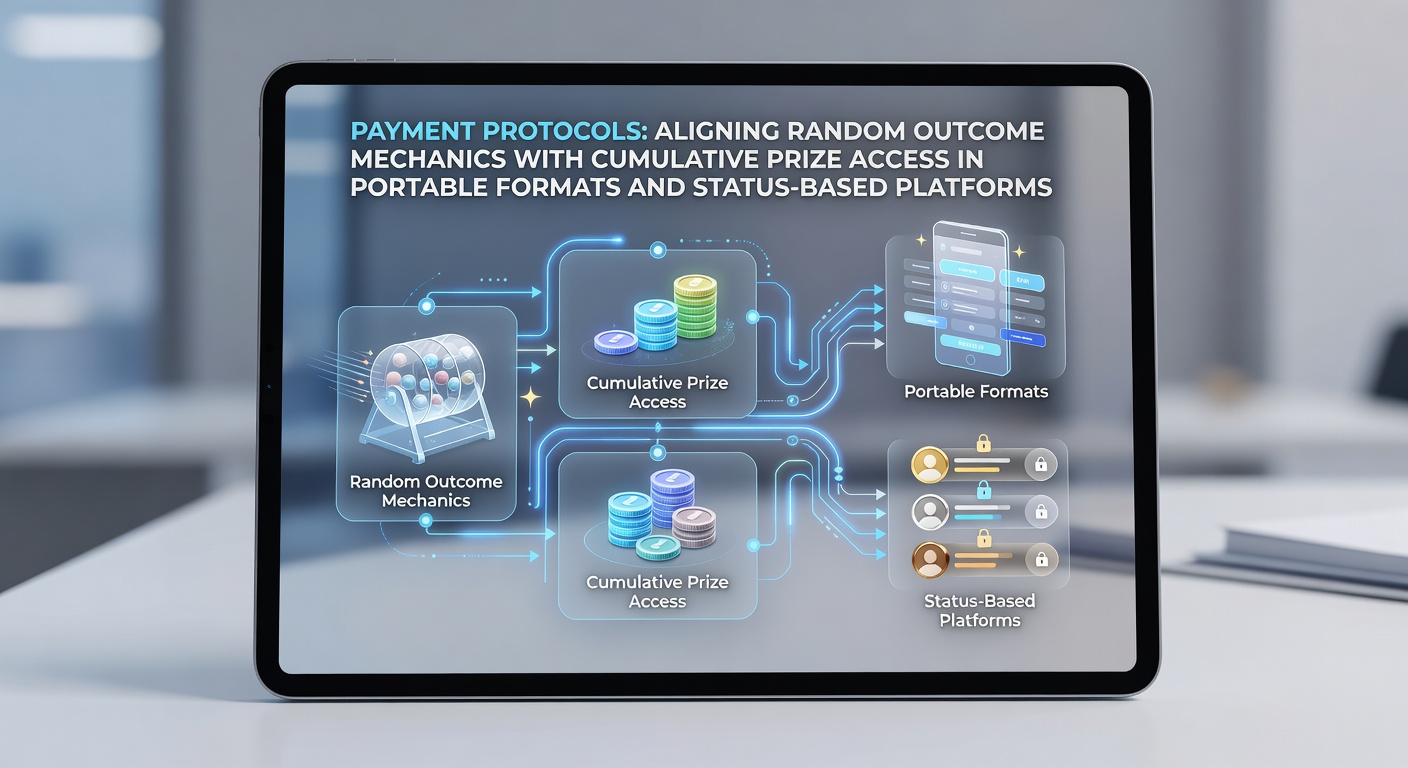
Payment protocols now coordinate directly with random outcome generators to manage prize accumulation across mobile applications and status-driven platforms. These systems verify each transaction while linking it to probabilistic results generated on certified servers. Data from June 2026 shows increased deployment of such frameworks in markets where regulators require real-time audit trails for both payments and game results. Developers integrate application programming interfaces that transmit payment confirmations alongside seed values used by random number generators. This approach ensures cumulative prize pools update only after verified transfers complete. Industry reports indicate that platforms using these aligned protocols process an average of 2.4 million daily transactions without discrepancies between financial records and game outcome logs. Observers note several core components in current implementations. Secure socket layers encrypt payment data during transfer. Tokenization replaces sensitive card details with unique identifiers that persist across sessions. Status-based platforms then map these tokens to player tiers which unlock graduated access to accumulated rewards such as progressive jackpot shares or loyalty point multipliers.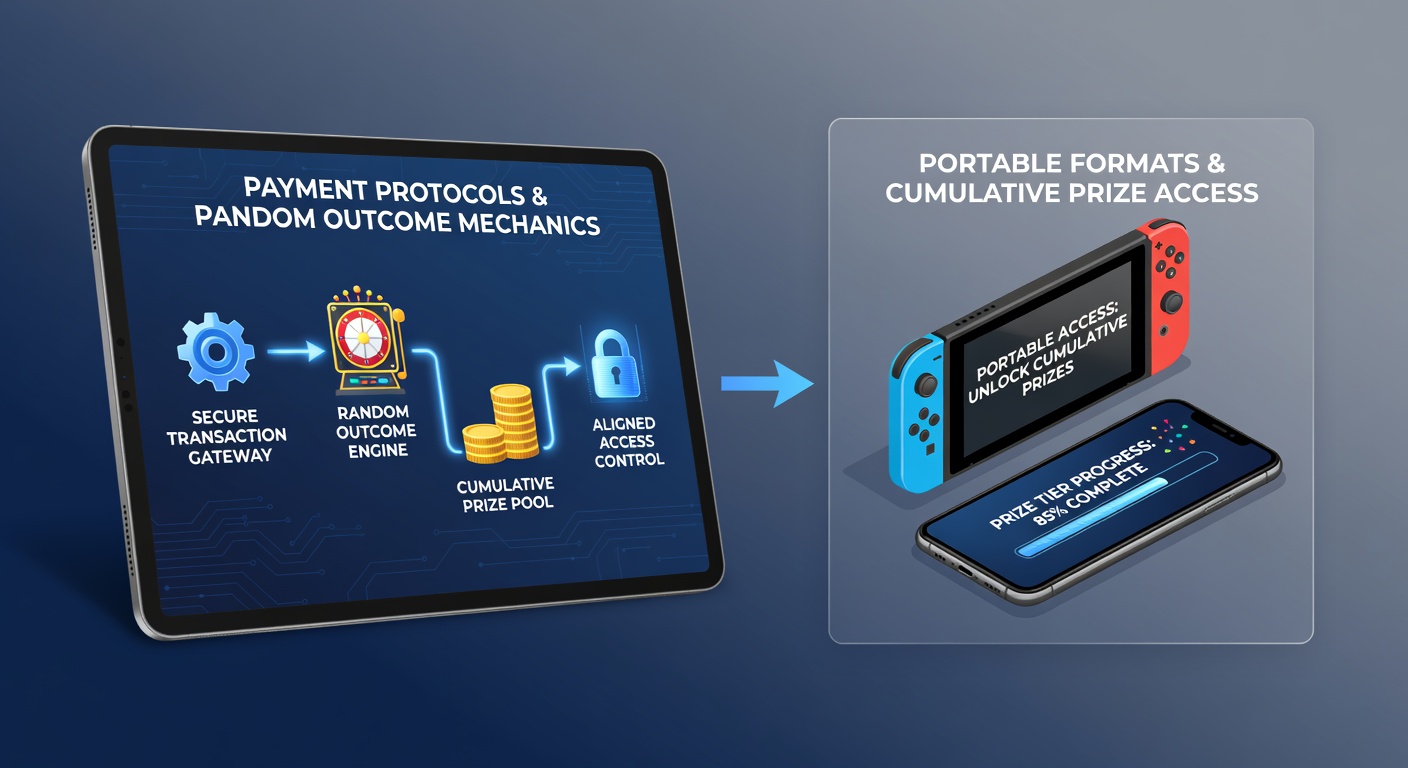
Payment protocols now coordinate directly with random outcome generators to manage prize accumulation across mobile applications and status-driven platforms. These systems verify each transaction while linking it to probabilistic results generated on certified servers. Data from June 2026 shows increased deployment of such frameworks in markets where regulators require real-time audit trails for both payments and game results. Developers integrate application programming interfaces that transmit payment confirmations alongside seed values used by random number generators. This approach ensures cumulative prize pools update only after verified transfers complete. Industry reports indicate that platforms using these aligned protocols process an average of 2.4 million daily transactions without discrepancies between financial records and game outcome logs. Observers note several core components in current implementations. Secure socket layers encrypt payment data during transfer. Tokenization replaces sensitive card details with unique identifiers that persist across sessions. Status-based platforms then map these tokens to player tiers which unlock graduated access to accumulated rewards such as progressive jackpot shares or loyalty point multipliers.Technical Alignment Between Payments and Probabilistic Mechanics
Engineers design middleware layers that receive both payment authorization responses and random outcome hashes within the same transaction cycle. The middleware compares timestamps to confirm sequence integrity before releasing prize credits to user accounts. Research published by the European Gaming and Betting Association in early 2026 documented a 37 percent reduction in dispute resolution times when these synchronized protocols operate on portable formats. Portable devices introduce additional variables because network latency can affect order of operations. Developers therefore implement queuing systems that hold prize calculations until payment confirmation arrives even if game rounds complete first. This method maintains fairness while allowing continuous play on smartphones and tablets. Status platforms add another dimension by applying tier multipliers only after cumulative spend thresholds are met through verified payments. The same middleware tracks total transaction volume and automatically adjusts reward eligibility without manual intervention.Implementation Across Mobile and Membership Environments
Several operators rolled out updated payment modules during the first half of 2026. These modules connect directly to banking networks and digital wallet providers while feeding data into central random outcome servers. Figures from the Malta Gaming Authority reveal that licensed operators adopting the new alignment standards reported consistent compliance scores above 98 percent during quarterly audits. Mobile formats benefit because shorter session times require faster reconciliation between deposits and prize releases. Status-based platforms gain from automated tier progression that reflects real payment activity rather than estimated play volume. One documented case involved a platform that linked cumulative prize access to a three-tier loyalty structure where each tier required verified payment milestones before unlocking higher jackpot contribution percentages.