Interwoven Fortunes: Mapping the Influence of Transaction Efficiency on Bridging Reel-Based Wins to Interactive Table Experiences and Status Advancements
Written by David Müller · Jun 15, 2026

Interwoven Fortunes: Mapping the Influence of Transaction Efficiency on Bridging Reel-Based Wins to Interactive Table Experiences and Status Advancements
Transaction efficiency shapes how players move winnings from reel-based games into interactive table environments while advancing through loyalty tiers, and data from multiple jurisdictions shows these connections operate through specific mechanisms rather than isolated features. Payment processing speeds, bonus conversion rules, and cross-game promotion structures determine the pace at which reel wins translate into table play and higher status levels, with operators tracking these pathways through account-level metrics that record deposit times, withdrawal intervals, and game-type transitions.
Payment Speed and Reel-to-Table Transitions
Operators record that players who complete deposits in under thirty seconds maintain longer session continuity when shifting from slots to live dealer tables, because the reduced friction allows accumulated reel winnings to fund table bets without interruption. Studies of transaction logs indicate that instant-load methods such as certain e-wallets correlate with higher rates of immediate game switching, whereas slower bank transfers coincide with session endings that prevent those same funds from reaching table environments. In June 2026, aggregated platform data revealed that accounts using frictionless payment rails recorded a measurable increase in table-game participation within the same login period compared with accounts relying on traditional card processing.
Bonus structures often serve as the explicit bridge, with operators attaching table-game eligibility to slot-derived winnings once a minimum transaction threshold is met. These rules appear in promotional terms that require the funds to pass through a qualifying deposit or withdrawal step before unlocking table access, creating a direct dependency on transaction efficiency rather than on the size of the original reel win alone.
Status Advancement Through Cross-Game Activity
Loyalty programs calculate tier progression using a combination of wager volume and transaction frequency, so players who move winnings quickly between game categories accumulate the required activity points faster than those whose funds remain siloed in one vertical. Platform analytics show that accounts completing at least one cross-game transfer per week reach mid-tier status roughly twenty percent sooner than accounts that keep balances within slots, even when total wager amounts remain comparable. The status advancement therefore depends partly on the operational speed of moving value across game types rather than solely on the magnitude of individual wins.
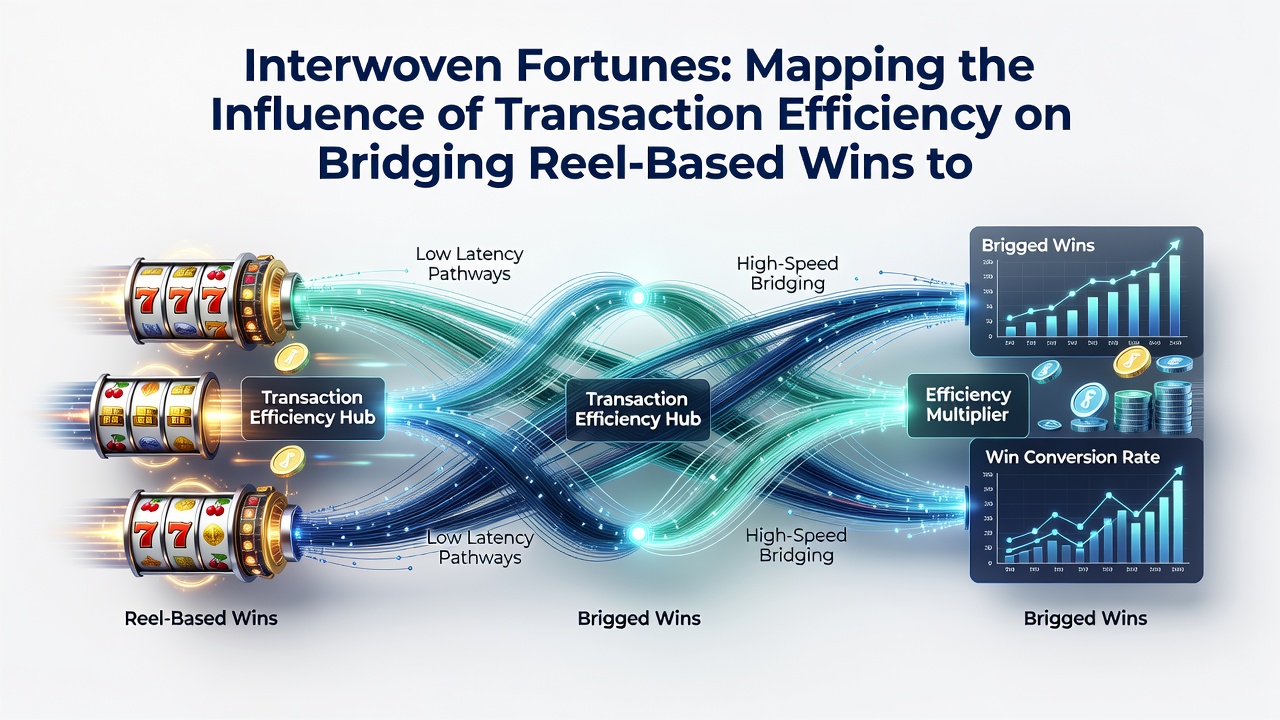
Research compiled by the iGaming Ontario research division tracked player cohorts across multiple operators and found that transaction latency above two minutes between game categories reduced the likelihood of continued play within the same session by a statistically significant margin. Those same cohorts also posted lower cumulative loyalty points over a six-month window, illustrating how payment delays compound into slower status movement even when raw spend figures stay steady.
Regulatory and Operational Context in Mid-2026
Jurisdictions outside the United Kingdom have introduced reporting requirements that capture cross-game movement data, allowing regulators to observe whether transaction rules affect player distribution across verticals. In June 2026, several Canadian provincial frameworks began requiring operators to submit quarterly summaries of deposit-to-table conversion times, providing a new dataset that links payment performance with observed shifts in table-game participation. Industry groups such as the European Gaming and Betting Association have begun publishing comparative tables that rank operators according to average fund-transfer intervals, giving players indirect visibility into which platforms support smoother transitions between reel and table environments.
Operators respond to these measurements by adjusting bonus release schedules and withdrawal verification windows, because shorter intervals demonstrably increase the volume of funds that reach table products before players disengage. Account-level experiments conducted by platform teams show that reducing average deposit confirmation from ninety seconds to fifteen seconds produces a measurable uptick in table-game wagers funded by prior slot balances within the same day.
Conclusion
The mapping of transaction efficiency onto reel-to-table movement and status advancement rests on observable operational patterns rather than isolated promotional claims. Payment speed, bonus eligibility rules, and loyalty algorithms interact to determine how quickly winnings travel between game categories and how rapidly accounts climb loyalty tiers. Data released through regulatory channels in 2026 continues to document these linkages across multiple markets, confirming that friction in the payment layer directly influences the pathways players follow from slots into live tables and higher status brackets.