Interconnected Pathways: How Transaction Velocity Shapes Transitions Between Reel Rewards, Table Interactions, and Tiered Membership Structures
Written by David Müller · Jul 20, 2026
Interconnected Pathways: How Transaction Velocity Shapes Transitions Between Reel Rewards, Table Interactions, and Tiered Membership Structures
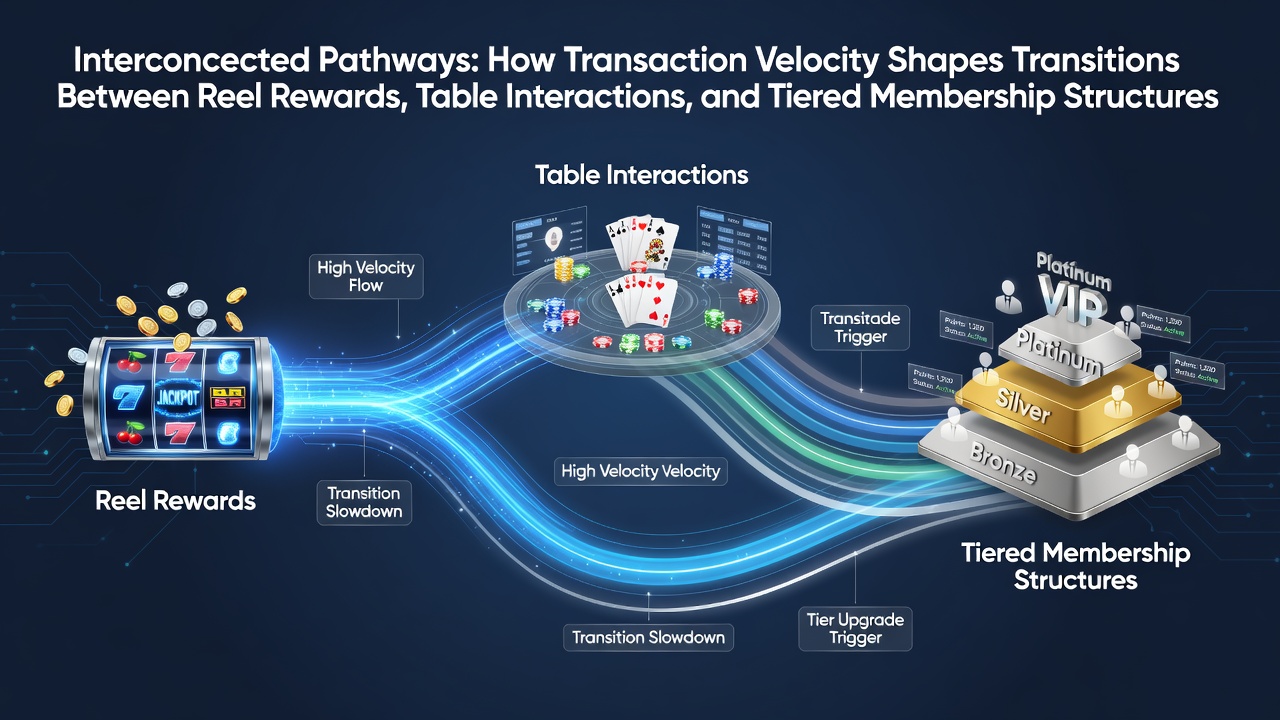
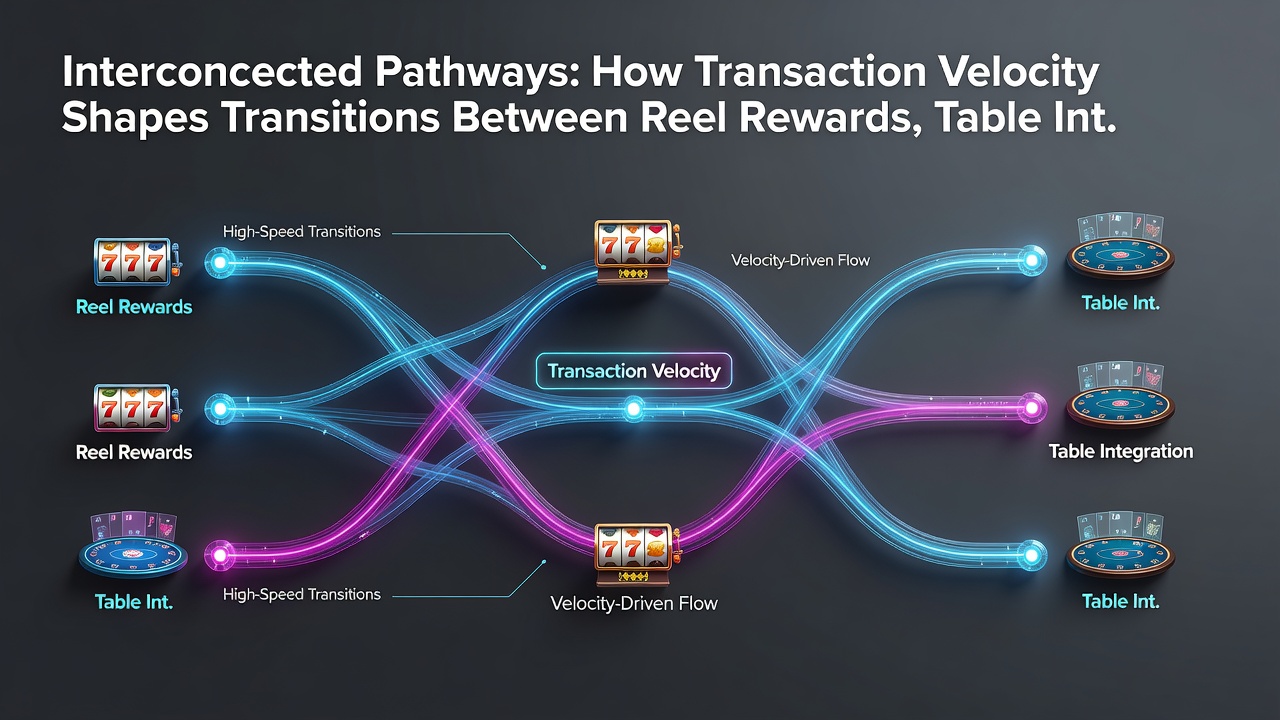
Transaction velocity refers to the speed at which deposits, withdrawals, and bonus redemptions move through online casino systems, and this metric directly influences how players shift between slot reels, live table environments, and progressive membership levels. Data from multiple jurisdictions shows that platforms with sub-second payment processing see higher rates of cross-game activity, where users complete a slot session and immediately fund table play without interruption. Observers note that such seamless movement often accelerates progression through tiered structures because rewards accumulate faster when friction in funding disappears.
Reel Rewards and Instant Funding Mechanics
Slot rewards typically include free spins, cashback percentages, and progressive jackpot contributions that trigger upon deposit confirmation, yet these incentives depend on transaction speed to reach players before they switch activities. Research from the National Center for Responsible Gaming indicates that casinos employing real-time e-wallet integrations record up to 35 percent more bonus activations per session compared with traditional banking methods. Players who deposit during a hot streak can claim reel-specific promotions instantly, converting those credits into additional spins that feed back into the same reward pool and build toward table access bonuses.
Bridging to Table Interactions
Once reel rewards accumulate, many platforms route players toward table games through targeted promotions that require only a quick balance transfer. Transaction velocity becomes the deciding factor here because delays in fund movement cause users to abandon the transition and remain in slots. Figures released by the Australian Gambling Research Centre reveal that sites with under-two-second processing times experience a 22 percent increase in table game participation among users who started on reels. These transitions often involve live dealer tables where minimum bet requirements align with newly unlocked tier benefits, creating a direct link between payment speed and exposure to higher-stakes environments.
Tiered Membership Structures and Velocity Effects
Membership tiers grant escalating perks such as personalized bonuses, reduced withdrawal times, and exclusive table access, and transaction velocity determines how quickly players meet the activity thresholds for advancement. Industry reports compiled in July 2026 highlight that loyalty programs using automated velocity tracking upgrade members 40 percent faster when deposits clear without manual review. A single rapid deposit sequence can satisfy both reel wagering requirements and table play milestones simultaneously, pushing users into mid-tier status where cross-game promotions become more frequent and valuable.
Interconnected Systems in Practice
The pathways operate as a single ecosystem because reel wins can convert directly into table credits through instant processing, while tier benefits retroactively enhance both game types. Take one operator that implemented blockchain-based settlements in early 2026: players moved from slot jackpots to live roulette within the same minute, and their tier points updated automatically without separate verification steps. Such integration relies on application programming interfaces that monitor velocity metrics across games and feed the data into membership algorithms, ensuring that rapid activity in one area accelerates rewards in others.
Regulatory Context and July 2026 Developments
Updated standards across several regions, including new payment transparency rules implemented in July 2026, require operators to disclose average transaction times to players. These measures emerged after joint studies by Canadian provincial regulators and European gaming associations showed that slower processing correlates with reduced cross-game engagement. Operators responded by prioritizing velocity improvements, which in turn strengthened the pathways between reel rewards, table sessions, and tier ascents without altering underlying game mathematics.
Conclusion
Transaction velocity functions as the connective tissue linking reel rewards, table interactions, and tiered membership structures, with measurable effects documented across multiple markets. Platforms that optimize payment speed enable smoother player journeys, allowing rewards earned on slots to fund table play and satisfy tier requirements in continuous cycles. As systems evolve, the data continues to demonstrate that reduced friction in transactions sustains higher levels of interconnected activity throughout casino environments.