Digital Payment Routes Connecting Slot Adventures to Table Dynamics in Evolving Casino Loyalty Systems
Written by Zoe Vogel · May 20, 2026
Digital Payment Routes Connecting Slot Adventures to Table Dynamics in Evolving Casino Loyalty Systems
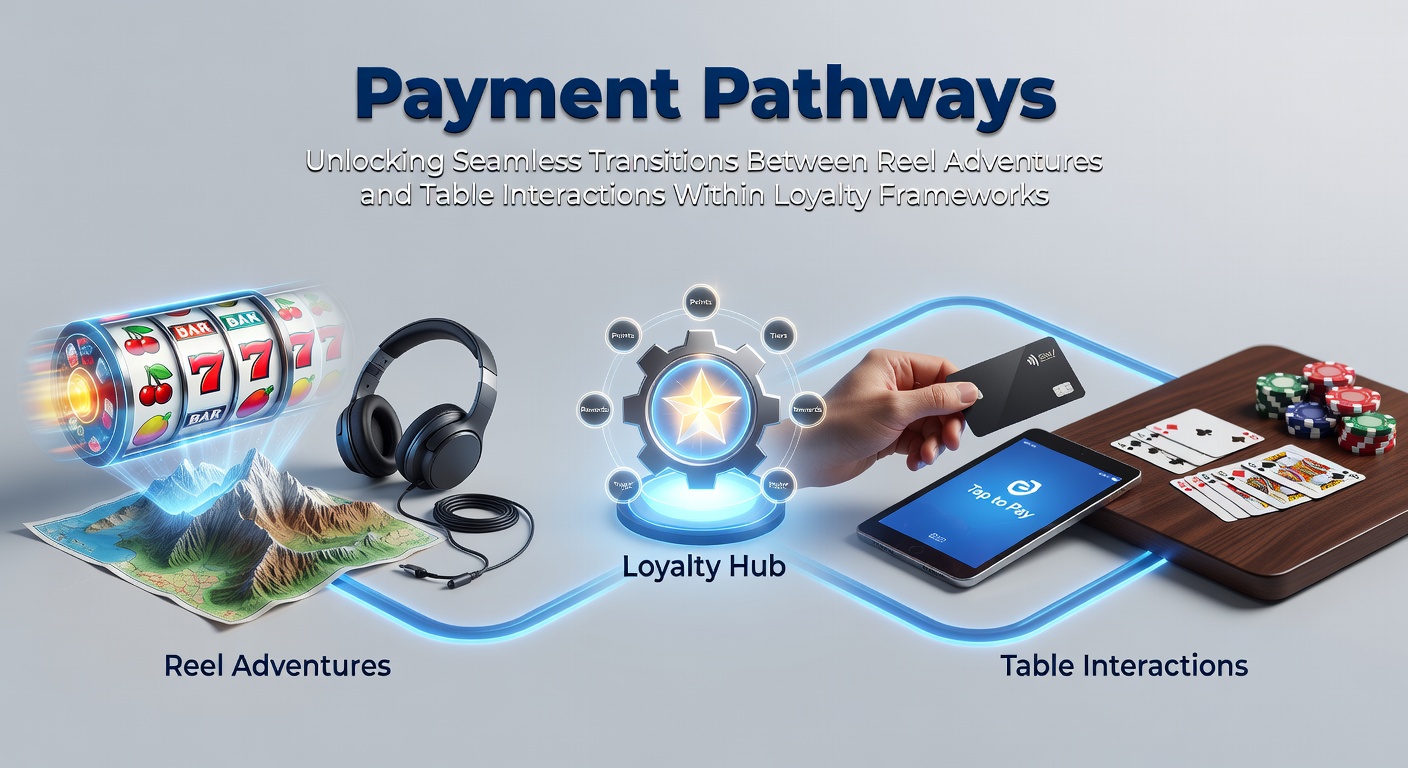
Payment systems in online casinos have developed structured pathways that move funds between slot machines and live dealer tables while maintaining player progress in loyalty programs, and these routes rely on integrated transaction technologies that update balances in real time across different game types. Operators deploy these mechanisms to keep activity flowing without separate logins or manual transfers, which allows a player who finishes a slot session to apply the same account balance directly to a blackjack or roulette table while loyalty points accumulate from both activities.
Core Mechanics of Integrated Payment Processing
Transaction processors handle deposits and withdrawals through APIs that communicate with both slot servers and live dealer platforms, so when a user initiates a payment the system records the amount in a central wallet that feeds into whichever game category the player selects next. Data from industry monitoring shows that these connections reduce the average time between game switches to under ten seconds in platforms that use unified ledgers, and operators achieve this by routing all activity through a single authentication layer that tracks every credit movement. In May 2026 several platforms reported expanded use of instant settlement protocols that confirm transfers before the next spin or card deal begins, which keeps loyalty meters advancing without interruption.
Loyalty Point Accumulation Across Game Categories
Loyalty frameworks assign point values to wagers placed on reels and on tables through the same calculation engine, yet the payment pathway determines how quickly those points post to a player's tier status. Systems pull wager data from slot RNG logs and from live dealer outcome servers then combine the figures into one loyalty database, and this merging occurs at the moment each transaction clears. Observers note that players who move funds between the two formats often reach higher tiers faster because the unified record captures combined volume rather than isolated game statistics.
Security Layers That Support Cross-Format Movement
Encryption standards and tokenization protect every transfer that links reel sessions to table play, while compliance checks run in the background without adding visible delays. Payment gateways apply fraud detection rules that scan for patterns across both slot and live dealer activity, which helps maintain account integrity during rapid switches. Research from the University of Nevada's gaming studies program indicates that platforms using these layered verifications experience fewer disputed transactions when users alternate between game types within the same loyalty cycle.

Regional Regulatory Influences on Payment Design
Regulators in different jurisdictions set requirements that shape how payment routes operate inside loyalty structures, and Australian authorities through the Australian Communications and Media Authority have published guidelines that encourage clear separation of gaming funds from loyalty balances. European operators often follow directives from the Malta Gaming Authority that emphasize audit trails for every cross-game transfer, which ensures points earned on slots remain traceable when applied to table stakes. These rules have prompted developers to build modular payment modules that adapt to local standards without rebuilding the entire loyalty engine.
Transaction Speed and Player Retention Data
Figures released by the European Gaming and Betting Association reveal that casinos offering sub-five-second transfers between slots and live tables record higher session continuation rates than those requiring separate funding steps for each format. The same data set shows that loyalty members who complete at least one cross-format movement per visit tend to extend their total play time by measurable margins. Payment providers achieve these speeds through pre-authorized credit lines that sit behind the visible wallet, allowing the system to draw from the same pool for both reel and table wagers.
Future Adjustments Expected in Mid-2026
By May 2026 several major platforms had begun testing payment protocols that embed loyalty multipliers directly into the transaction confirmation message, so points calculate and apply before the player reaches the next game interface. Developers continue to refine these features while maintaining compatibility with existing loyalty tiers, and testing logs indicate stable performance across high-volume periods. The adjustments focus on reducing any friction that might interrupt the natural progression from slot sequences to table rounds within a single loyalty period.
Conclusion
Payment pathways now function as the central infrastructure that lets players shift between reel-based entertainment and live table interaction while their loyalty status updates continuously. The combination of real-time ledgers, regulatory-compliant verification, and unified point tracking creates an environment where funds and rewards move together across game categories. Continued refinement of these systems supports sustained activity without forcing players to manage separate balances for each format.