Certification Standards That Integrate Random Generators, Seamless Payments, and Tiered Access in Diverse Gaming Environments
Written by Zara Bennett · May 22, 2026
Certification Standards That Integrate Random Generators, Seamless Payments, and Tiered Access in Diverse Gaming Environments
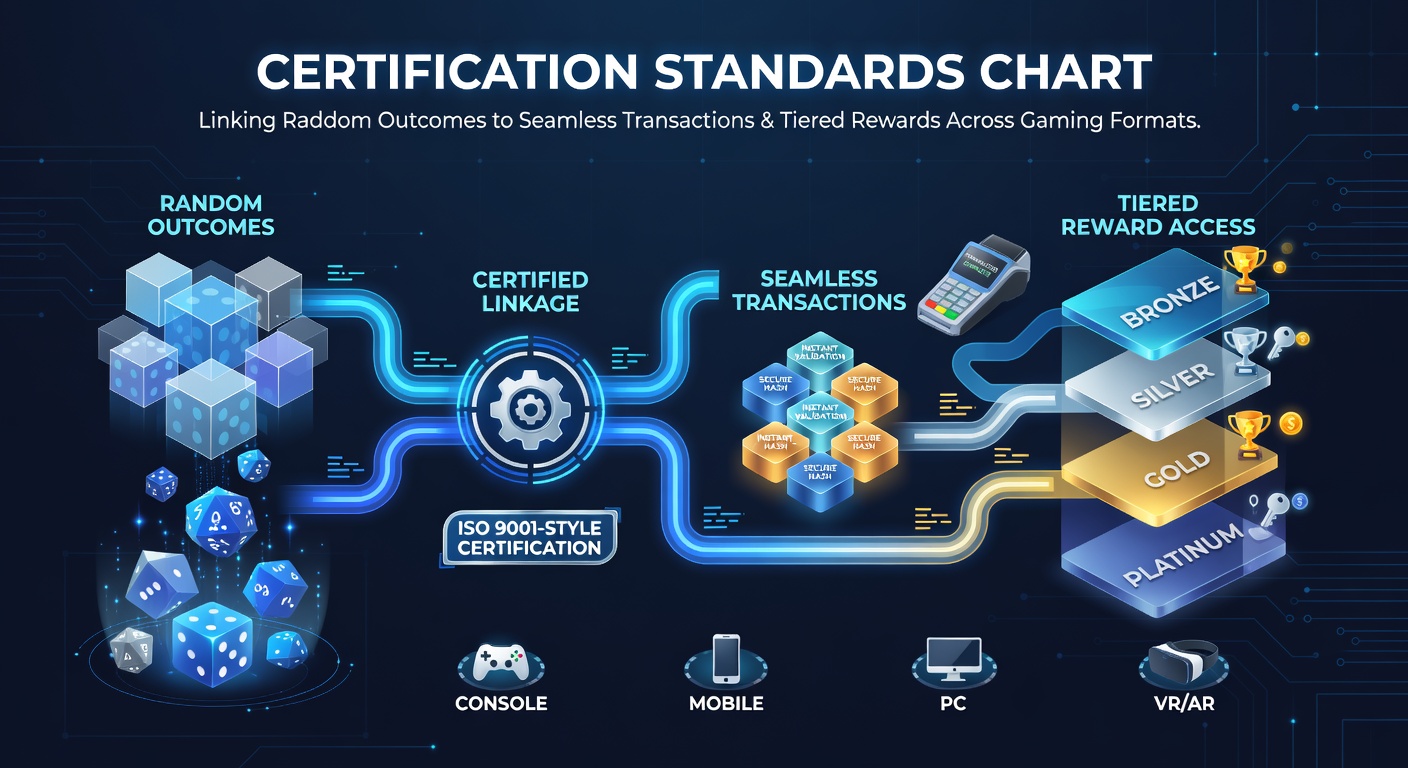
Certification bodies across multiple jurisdictions now require operators to align random outcome verification with payment processing protocols and loyalty tier structures, creating unified frameworks that span slots, table games, and live dealer formats. These standards emerged from collaborative efforts between regulators and industry groups to ensure consistency, while players move between game types without losing access to accumulated rewards or encountering transaction delays.
Random Outcome Verification Across Formats
Random number generator testing forms the foundation of these integrated certifications, with laboratories applying identical statistical benchmarks to slot reels and live dealer shuffles alike. Observers note that certification requires continuous monitoring rather than one-time audits, so any deviation in randomness immediately triggers alerts that cascade into transaction systems and loyalty platforms. Data from the New Jersey Division of Gaming Enforcement shows RNG pass rates exceeding 99.8 percent for certified titles in 2025, and similar thresholds apply when operators extend those games into live environments.
Linking Transactions to Certified Outcomes
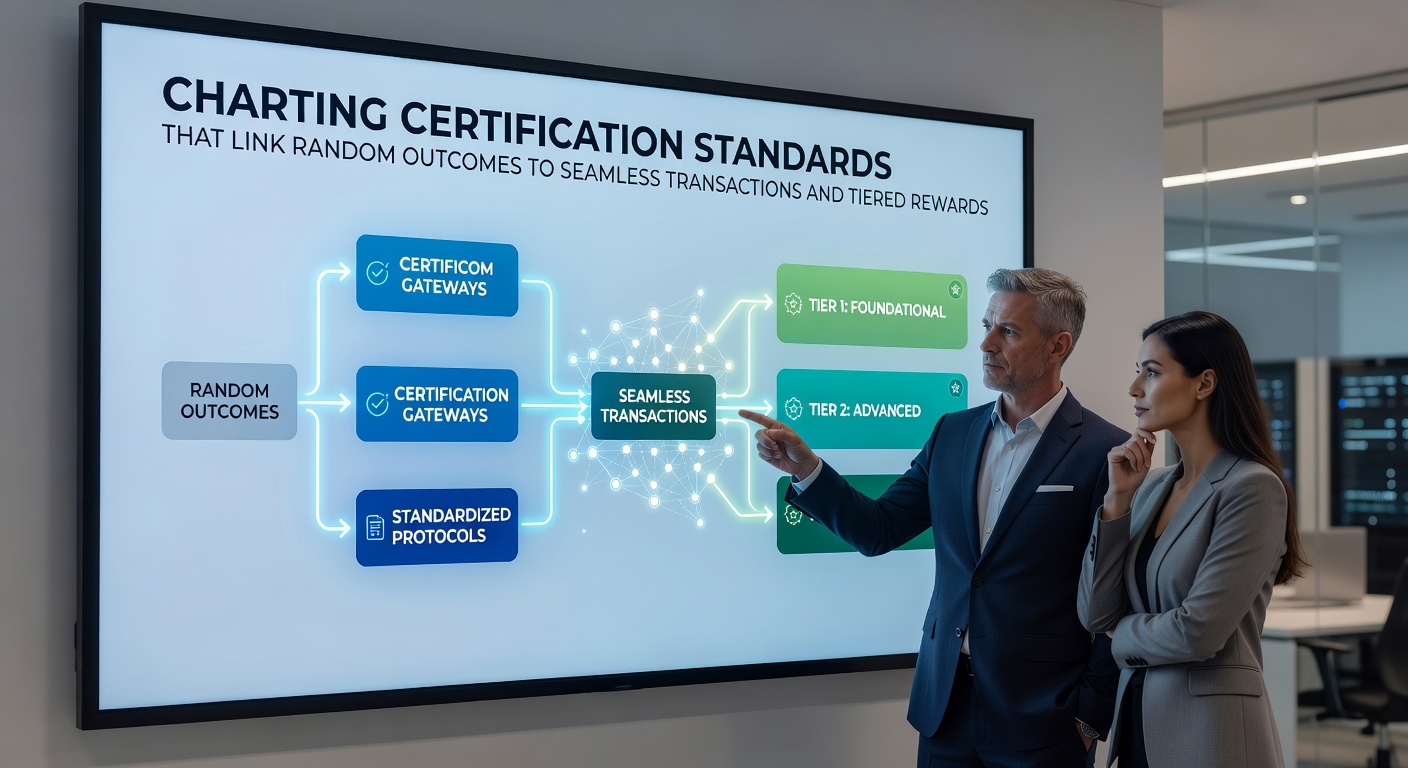
Payment gateways must now interface directly with certified RNG systems so that every deposit or withdrawal carries a verifiable record of the random event that triggered it. This connection prevents disputes and supports seamless reward delivery, because the system recognizes when a certified outcome qualifies a player for tier advancement. Regulators in Malta and several Canadian provinces have updated their technical specifications to mandate real-time API handshakes between RNG servers and payment processors, reducing settlement times from minutes to seconds in most certified environments.
Tiered Reward Structures and Cross-Format Eligibility
Loyalty programs receive certification only when they demonstrate that tier progression depends on verified random outcomes rather than arbitrary spend thresholds. Players who earn points through certified slot sessions can apply those points toward live dealer table access or higher VIP benefits without manual intervention. According to figures released by the European Gaming and Betting Association, operators using integrated certification saw a 27 percent increase in cross-format play among tiered members during the first quarter of 2026, with the largest gains occurring when reward eligibility updated automatically after each certified transaction.
Developments Expected in May 2026
Updated certification modules scheduled for release in May 2026 will introduce mandatory blockchain logging for both RNG results and associated transactions, allowing regulators to audit entire player journeys across formats in a single query. These modules also standardize tier reset rules so that rewards earned in one jurisdiction remain accessible when players switch to games hosted under a different certified license. Industry analysts expect the changes to reduce compliance costs for multi-format operators while strengthening player trust through transparent reward tracking.
Conclusion
Certification standards continue to evolve toward tighter integration of random outcome verification, frictionless payments, and progressive reward access, enabling consistent experiences regardless of game format. Regulators and operators alike treat these frameworks as essential infrastructure rather than optional add-ons, and the May 2026 updates will further embed that connectivity across global markets.